How to File a Hail Damage Roof Insurance Claim in Williamson County TX
Hail claims in Texas are decided in the first week after the storm. Williamson County homeowners who document immediately, notify the carrier promptly, and get an independent inspection before the adjuster arrives end up with claims that cover the real scope. Those who wait negotiate against a report they had no hand in.
The sequence below is the one that works, in order.
Step 1 – Document the Damage Immediately
Photograph everything the day the storm passes, while the damage is unambiguously tied to that event. Every roof slope from the ground, the gutters, the downspouts, and everything on the property that records hail size – dents in the car hood, dings in the AC condenser fins, splatter on the deck boards, torn window screens.
That collateral evidence carries real weight. When an adjuster is deciding whether the hail in your part of Williamson County was large enough to damage shingles, dented soft metal on the property corroborates your account of the roof.
Record the date and time of the storm, and save any weather service or local news reports of hail in Taylor or your specific community that day.
Step 2 – Call Your Insurer Within 24 Hours
Report the loss promptly. Policies generally require notice as soon as practicable, and delay hands the carrier an argument that the damage came from some other event.
Keep the call factual: the date of the storm, that you observed hail, that you are reporting possible roof damage. Do not estimate severity or cost – you do not know yet, and a low early guess becomes an anchor on the claim.
Write down the claim number and the name of everyone you speak to.
Step 3 – Get a Licensed Roofer Inspection Before the Adjuster Arrives
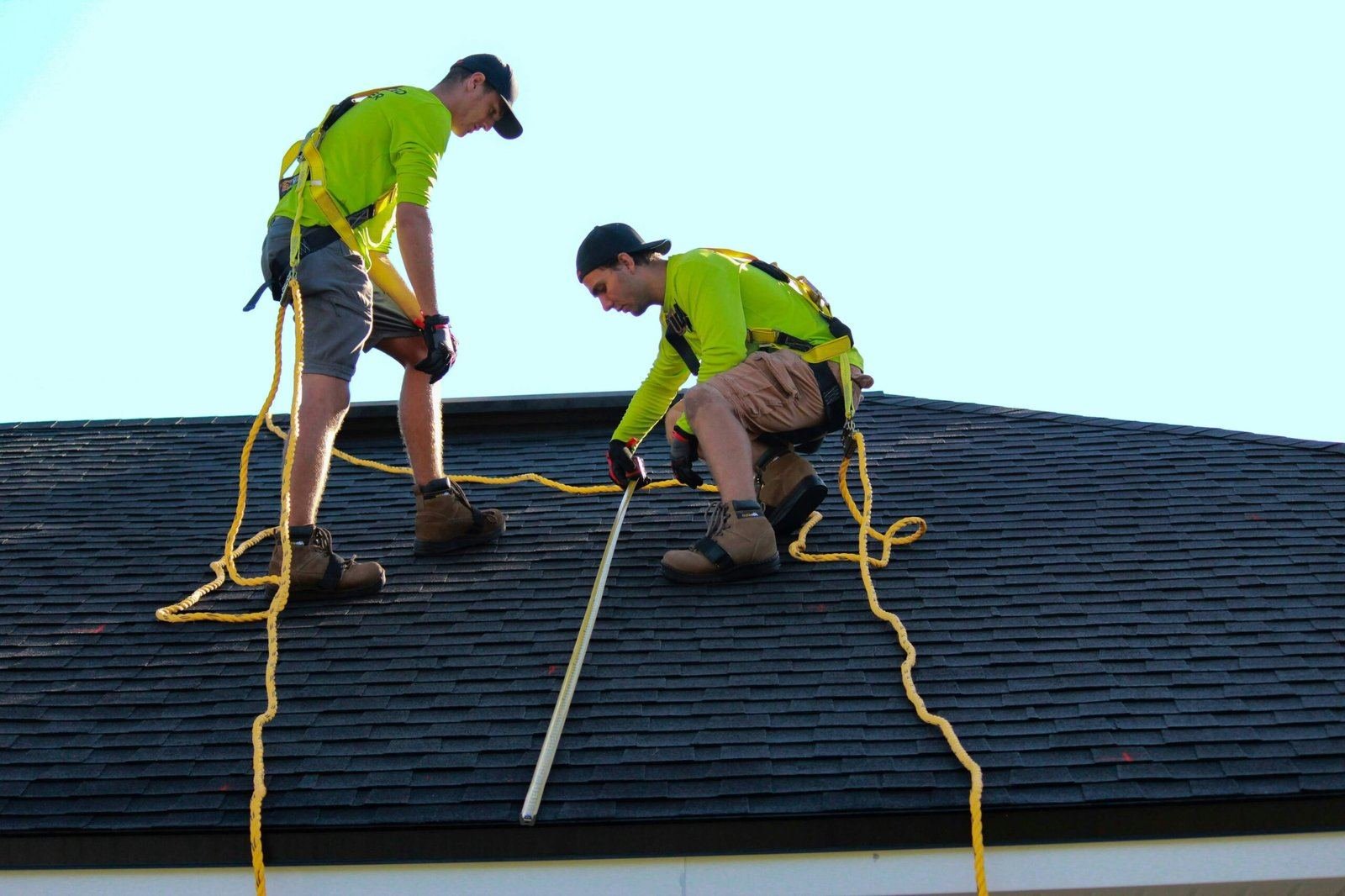
This is the step that changes outcomes, and the one most often skipped. Have a licensed roofer document the damage before the carrier’s adjuster comes out.
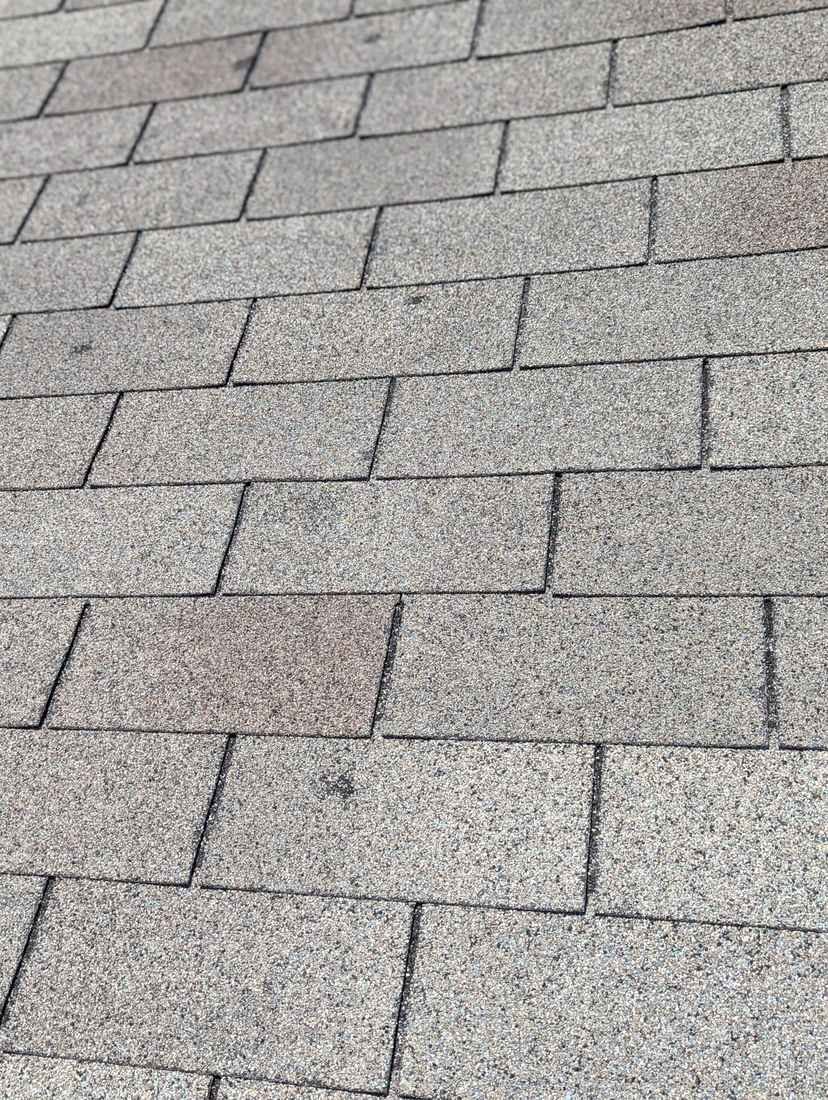
The adjuster works for the insurer. The scope they write is the scope the carrier pays, and hail damage is easy to under-count in good faith. Bruised shingles are the clearest case – the impact fractures the mat without stripping the surface, so the damage is real but not obvious, and it gets missed.
An independent inspection gives you a documented scope to compare, and a roofer who can walk the slopes with the adjuster and point to specific damage. Being present for that inspection with your own expert is the highest-leverage thing available to you.
Choose carefully. Williamson County draws out-of-state storm crews within days of any significant hail event. Never sign a document assigning your claim benefits to a contractor. Treat any offer to waive or cover your deductible as the red flag it is – that is fraud under Texas law, and it exposes you.
Step 4 – Know What Adjusters Look For
Adjusters mark test squares, typically 10 by 10 feet on each slope, and count impacts inside them. That density, extrapolated, determines repair versus replacement.
They are assessing functional damage, not appearance – whether an impact fractured the mat, displaced granules down to asphalt, or broke the seal. Each slope is evaluated separately, because hail is directional and a north slope can be ruined while the south slope is clean. Roof age and pre-existing wear are weighed, since wear is excluded from coverage.
They look at soft metals for corroboration, and at prior repairs or unpermitted work, which complicates coverage. On newer Williamson County homes they will also note installation defects, which are a builder warranty matter rather than a storm claim – another reason to have your own inspection separating the two.
Step 5 – The Texas One-Year Filing Deadline
Texas gives you one year from the date of loss to file under most residential property policies, and some policies impose a shorter contractual deadline. A year is a backstop, not a schedule.
Delay creates two problems before the deadline ever matters. Causation becomes contestable as later weather intervenes, and a carrier can argue the damage came from a storm other than the one you are claiming. Meanwhile an unrepaired roof keeps degrading, which moves cost into the failure-to-mitigate column and out of the claim.
FAQ
Q: Will filing a hail claim raise my homeowners insurance rates in Texas?
A: Hail is a weather loss, not an at-fault claim, and carriers treat it differently from liability claims. Rates in hail-exposed areas like Williamson County are driven largely by regional loss experience. Ask your agent about your specific policy – but note that leaving a damaged roof unrepaired creates its own risk of a future denial.
Q: What if my hail damage claim is denied in Williamson County?
A: Get the adjuster’s report and the written reason for denial. Denials frequently rest on a scope that missed damage, which is what an independent inspection addresses. You can request reinspection, and Texas law provides an appraisal process for disputes over amount.
Q: My Taylor TX home is new. Is hail damage a builder warranty issue or an insurance claim?
A: Storm damage is an insurance claim regardless of roof age. Installation defects are a builder warranty matter. Many newer Williamson County roofs have both, and separating them is exactly what a documented independent inspection accomplishes.
Q: How long does a hail damage roof claim take in Williamson County TX?
A: Usually two to six weeks from filing to approval, longer after a widespread event when carriers are processing many claims. Filing promptly with complete documentation is the part you control.
Free Inspection and Documentation
We inspect, photograph, and meet your adjuster on site at no cost. Call Williamson County Roofing Pros at (254) 500-3913 anywhere in Williamson County TX.
See our full Williamson County roof insurance claim guide and our storm damage roof repair page for Taylor TX. Call (254) 500-3913.